How to Book a Restaurant in Seoul Without a Korean Phone Number

Travel Analysts

Most restaurants in Seoul take walk-ins, so you need a reservation only for popular or high-end places. Those bookings long required a Korean phone number. Two routes now work without one: the CatchTable Global app, which signs you up with an email and takes foreign cards, and Naver’s passport verification, live since June 2026. Many busy restaurants run a waitlist tablet at the door instead. Deposits are common, and a no-show can cost up to 40% of the meal at fine-dining restaurants.
Explore the full guide & expert tips ➜Do You Need a Reservation in Seoul? Usually Not
❓ Do you need reservations for restaurants in Seoul?
For most meals, no. Ordinary restaurants in Seoul seat walk-ins, and when they are full you wait or join a waitlist at the door. Reservations matter for fine dining and tasting menus, for restaurants that have become very popular, and for large groups. Those are worth booking as soon as your dates are fixed.
The Korean Phone Number Problem
❓ Can you make a restaurant reservation in Korea without a Korean phone number?
Yes. The CatchTable Global app lets you sign up with an email, Google or Apple account and pay deposits with a foreign card. Since June 2026, Naver also verifies foreign visitors by passport, which opens reservations on Naver Map without a Korean number. Failing both, a hotel front desk can phone a restaurant for you.
CatchTable Global and Naver: The Two Booking Routes
| 📲 Route | What you need | What to know |
|---|---|---|
| 🟢 CatchTable Global app | An email, Google or Apple account and a foreign card | In English, Japanese and Chinese; a smaller list of restaurants than the Korean version |
| 🟢 Naver, with passport verification | A passport issued outside Korea and the Naver Map app | Unlocks reservations, orders and payments; only for restaurants that offer Naver booking |
| 🟡 The waitlist tablet at the door | To be there in person; usually a phone number | Not a reservation: you join today’s queue |
| 🟡 A phone call by someone else | Your hotel’s front desk, or a Korean speaker | The oldest method, and still how many small restaurants book |
| 🔴 The Korean versions of the booking apps | A Korean mobile number and identity check | Not open to most visitors |
❓ Does CatchTable work for foreigners?
Yes, through CatchTable Global, the version of the app made for visitors. It does not require a Korean phone number: you sign up with an email, Google or Apple account, use it in English, Japanese or Chinese, and pay deposits with a foreign card. It lists fewer restaurants than the Korean version, so not every place can be booked through it.
Waitlist Tablets: How the Queue Works
❓ How do restaurant waitlists work in Korea?
Busy restaurants that take no reservations often keep a tablet at the door. You enter your party size and a phone number and receive a place in the queue, then come back when you are messaged. The tablets expect a Korean number; some offer a QR code or a foreign-visitor option instead. If you miss the call by more than a few minutes, you lose your place.
Deposits and No-Show Fees
| 💳 Kind of restaurant | Maximum no-show penalty under the national standard |
|---|---|
| 🍣 Reservation-based: omakase, fine dining | Up to 40% of the price of the reserved menu |
| 🍜 General restaurants | Up to 20% |
| ⚠️ Condition in both cases | The restaurant must tell you the deposit and penalty in advance |
❓ What happens if you miss a restaurant reservation in Korea?
You can lose part or all of your deposit. Under national consumer standards in effect since December 18, 2025, reservation-based restaurants such as omakase and fine dining may charge a no-show penalty of up to 40% of the reserved menu price, and general restaurants up to 20%, provided they told you the terms in advance. Cancel within the stated window to avoid it.
About the Author
Intercoper Curator Team
Travel Analysts
Our team researches and curates tour experiences. We combine local knowledge with rigorous verification to recommend only tours worth your time.
📚 Related Articles


❓ Frequently Asked Questions
Our most recommended Seoul Food Tours


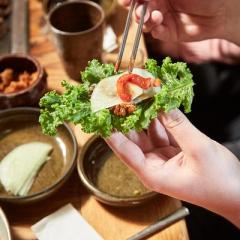 Insadong Night BBQ & Rice Wine Food Crawl$110
 Jongno Market Street Food Walk with Drinking Games$79
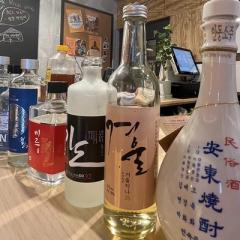 Hands-On Soju & Makgeolli Class in Mapo-gu$72.76